The ZSFab
InterConnect™
Porous
Titanium Spinal
System
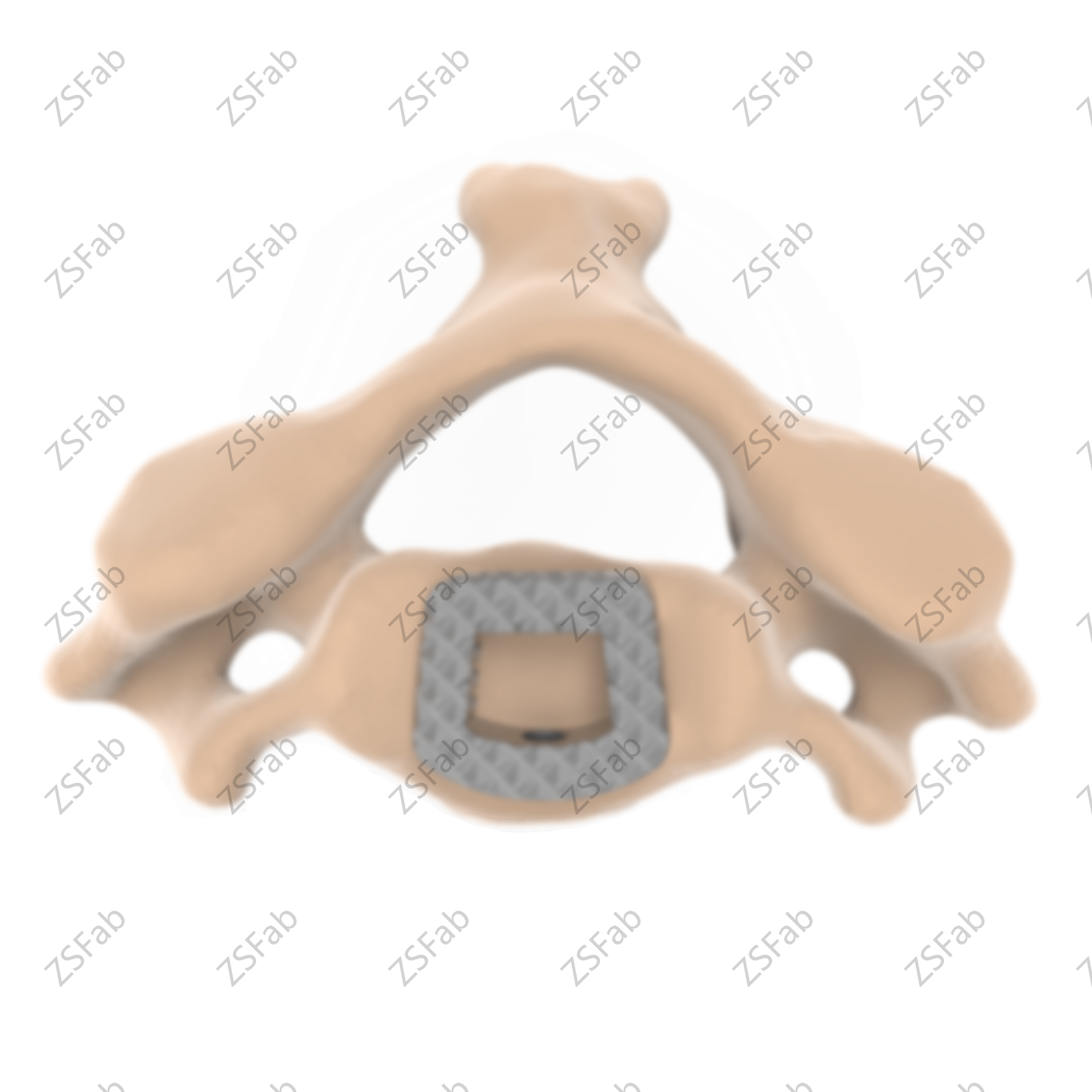
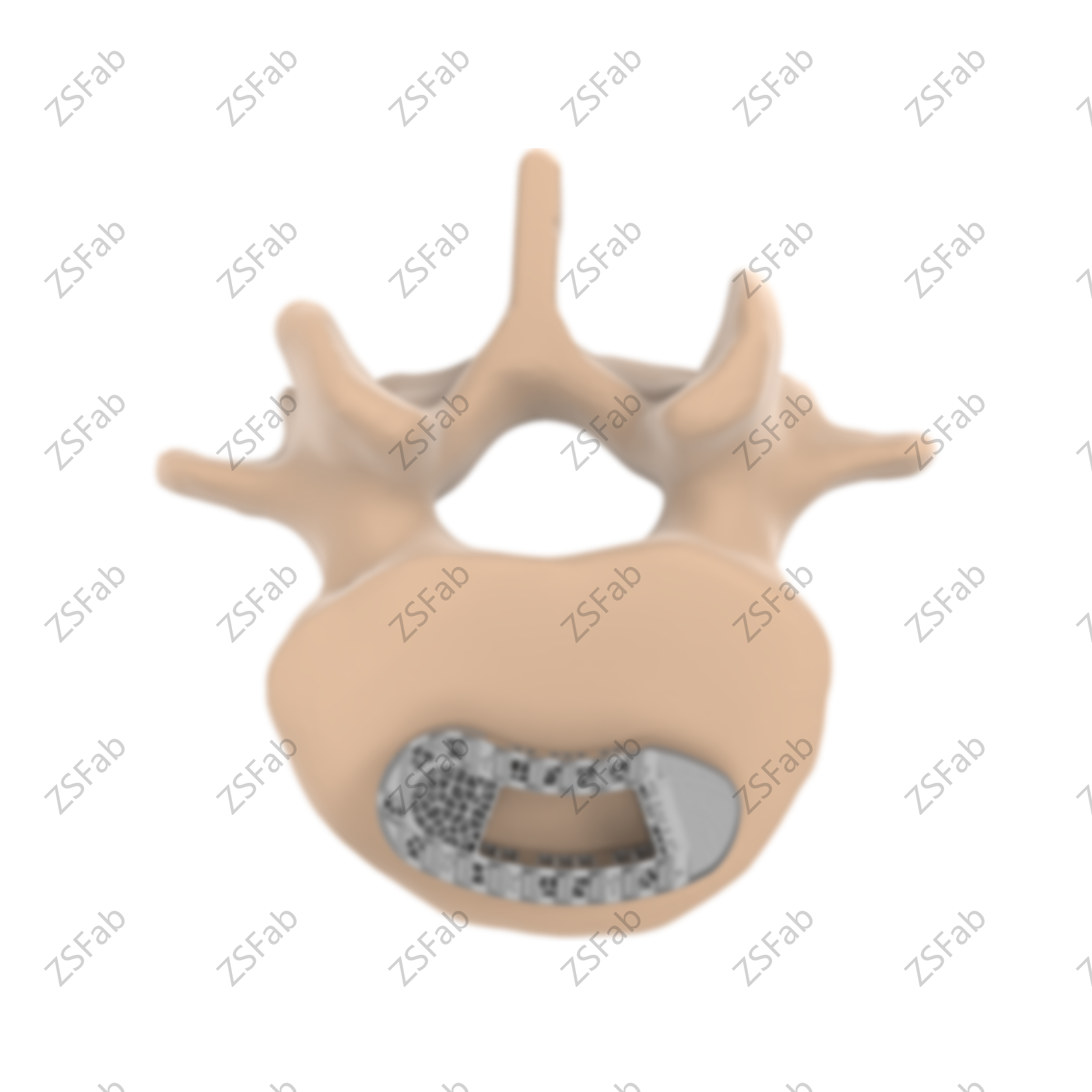
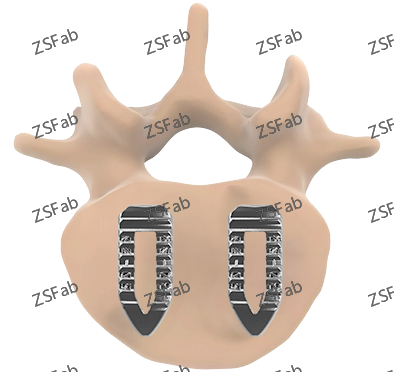
Cervical and lumbar cages featuring fully open porous architectures with optimized porosity (70%–80%) and controlled pore size. Designed to support bone ingrowth, reduce subsidence risk, and maintain mechanical stability while allowing clear postoperative imaging.
Key Advantages
ZSFab cervical and lumbar cages are designed with indication-specific structural features to support stable fixation, biological integration, and reliable postoperative assessment.
Cervical cages feature serrated endplate teeth to improve initial stability and resistance to subsidence. Lumbar cages incorporate optimized lattice architectures to support bone ingrowth and load sharing.
Osseointegration
InterConnect™ porous structures are optimized for bone ingrowth. A proprietary acid-etching process creates multi-scale surface roughness that supports cell attachment and osseointegration.
Minimized subsidence
The InterConnect™ lattice architecture reduces overall implant stiffness. Combined with optimized endplate design, this helps distribute load more evenly and reduce the risk of subsidence.
Clear imaging
The open lattice architecture is designed to allow clear visualization under X-ray and CT imaging, supporting postoperative assessment of alignment and fusion progression.
Debris Control
Post-processing removes residual powder from additive manufacturing, reducing the risk of inflammatory response associated with retained debris.
HIERARCHICAL STRUCTURE
PROMOTES OSSEOINTEGRATION
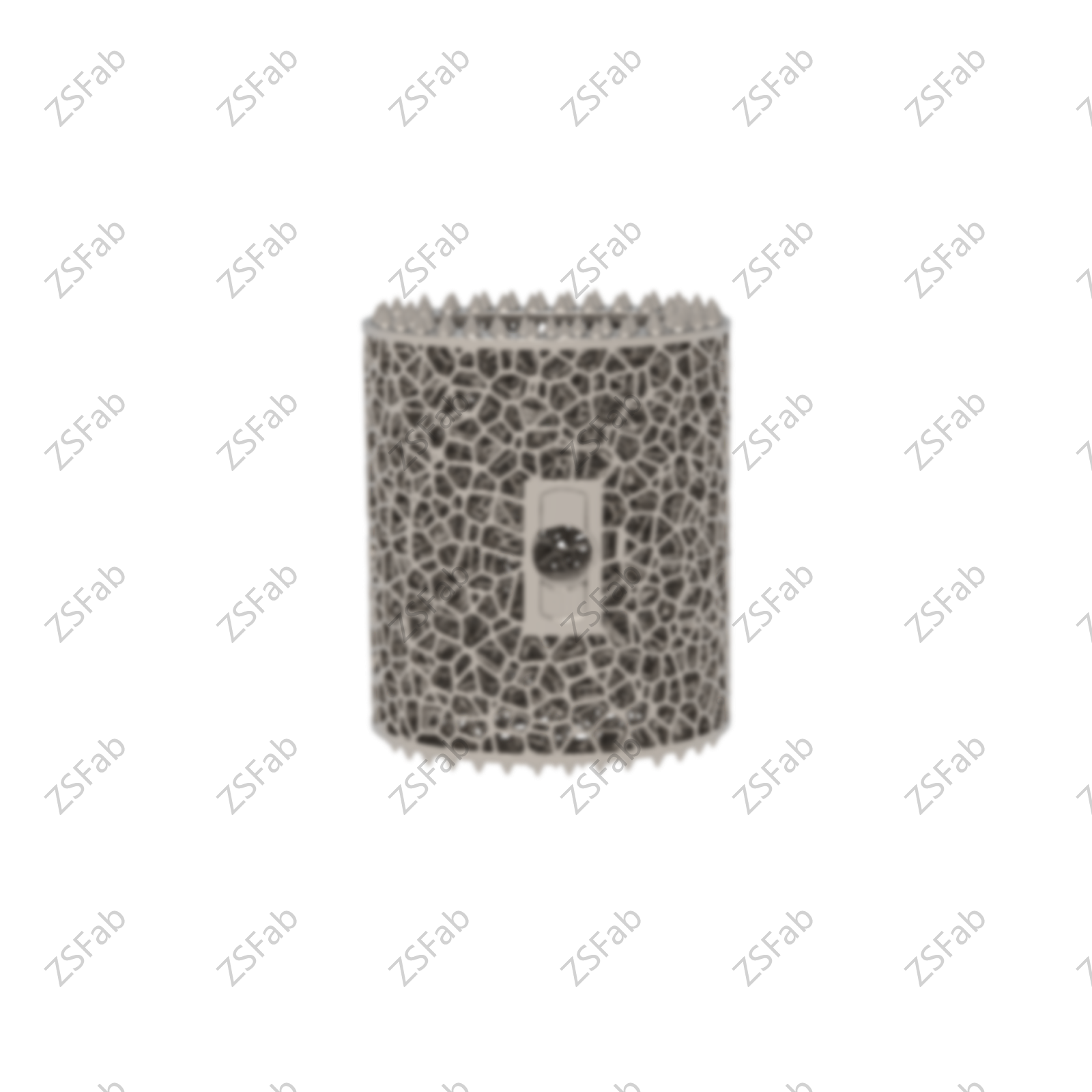
The InterConnect™ system features a hierarchical structure that reflects key aspects of natural bone architecture across macro-, micro-, and nano-scales.
Macro-scale structure
A biomimetic lattice architecture (~700 μm pore size, 70%–80% porosity) supports vascularization, bone ingrowth, and load sharing while reducing stiffness mismatch.
Micro-scale structure
Surface micro-texturing increases surface area and supports early-stage bone–implant interaction.
Nano-scale structure
Uniform nano-scale surface features are present across all implant surfaces, supporting osteogenic activity and long-term integration.
RADIOGRAPHIC VISIBILITY FOR POSTOPERATIVE ASSESSMENT
The engineered InterConnect™ lattice architecture is designed to support radiographic visualization.
Reduced imaging artifacts enable clearer assessment of implant position and alignment.
Open architecture allows direct visualization of bone growth and fusion progression over time.